
Food
5 min read
Looking for Better Meat Quality and Food Safety? Here's What Many Retailers Overlook
June 23 , 2026
By Chloe Palos
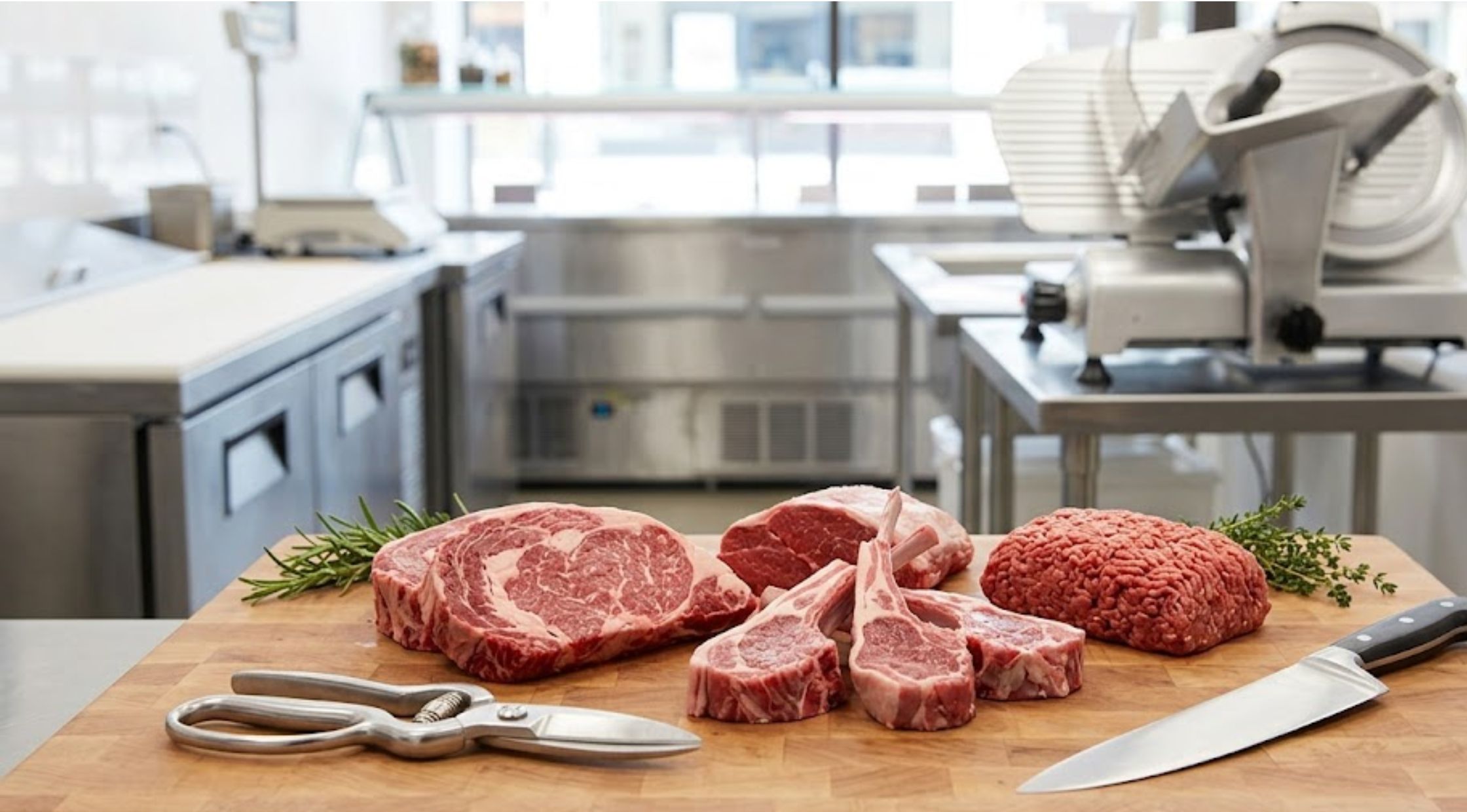
There are many difficulties in operating a grocery store, deli, butcher shop, or food service business.
There are many difficulties in operating a grocery store, deli, butcher shop, or food service business. Every time they purchase, customers anticipate fresh merchandise, reliable quality, and a secure environment.
However, a lot of business owners have to deal with issues like food safety, equipment malfunctions, and unclear compliance requirements.
Questions like "when can raw unpackaged meat be offered for self-service" or searches for "meat slicer service near me" often arise when operators are trying to solve problems quickly and avoid costly mistakes.
The positive side is that these difficulties can be greatly reduced with the appropriate systems, upkeep procedures, and reliable sources.
Common Problems Meat Retailers Face
Equipment Failure
Operations can be considerably slowed down by a broken meat cutter. Inadequate maintenance of equipment can have a negative impact on customer service, employee dissatisfaction, and productivity.
Because of this, when preventive maintenance is neglected, many operators eventually hunt for a trustworthy meat slicer service near me.
Issues with Food Safety Compliance
Regulations about food safety can be complicated, particularly when raw meat products are involved. Owners of businesses frequently find it difficult to keep up with evolving regulations and industry guidelines.
When will raw, unpackaged meat be available for self-service? is a frequently asked question. Because requirements differ depending on jurisdiction, type of product, and food safety standards, it is crucial to comprehend the relevant rules.
Variations in Product Quality
Consumers anticipate fresh goods, consistent cutting, and appropriate storage. Inadequate handling practices or poor equipment performance might have a detrimental effect on the client experience.
Difficulties in Staff Training
Inconsistent training can result in operational inefficiencies and hazards to food safety even with high-quality equipment.
Why These Problems Occur
The majority of operational problems are caused by a mix of three factors:
Postponed Maintenance
Many companies put off doing necessary maintenance until their equipment breaks down. Even though this might initially appear to be less expensive, unplanned malfunctions frequently result in increased costs.
Absence of Standardized Protocols
Teams may inadvertently produce inconsistencies that compromise food safety and quality if cleaning, examination, and handling procedures are not documented.
Restricted Access to Professional Advice
Food companies frequently put a lot of emphasis on day-to-day operations, providing little time for industry best practices, equipment maintenance, and regulatory updates.
Practical Solutions for Better Operations
1. Create A Schedule For Preventive Maintenance
Regular inspections can assist in spotting small problems before they develop into larger ones.
Important jobs consist of:
- Examining and sharpening blades
- Lubrication of equipment
- Checks for safety features
- Deep cleaning techniques
- Replacement of components when necessary
Many operators actively look for a reliable meat slicer service near me to set up continuous maintenance support rather than waiting for a breakdown.
2. Keep Up with Food Safety Rules
Guidelines from the local health department and relevant food safety legislation should always be used to address questions such as when raw, unpackaged meat can be served for self-service.
Location-specific requirements may vary; thus, it's critical to refer to reliable sources rather than depending only on conjecture or out-of-date information.
3. Make Staff Education Investments
Employees with proper training increase productivity, decrease errors, and assist with compliance initiatives.
Concentrate training on:
- Operation of equipment
- Sanitation protocols
- Handling of products
- Control of temperature
- Standards for customer service
4. Give Product Quality First Priority
It's important to be consistent.
Stronger brand reputations and improved customer experiences are a result of supplier quality standards, appropriate storage conditions, and routine equipment maintenance.
5. Establish Connections with Trusted Vendors
Good supplier relationships frequently result in more reliable inventory, higher-quality products, and more efficient operations all around.
A Smarter Approach for Businesses Focused on Quality
Many successful retailers discover that operational excellence goes beyond equipment and compliance alone. Product sourcing plays an equally important role in customer satisfaction.
Businesses looking to provide premium meat selections often seek suppliers that emphasize quality, transparency, and consistency. Services such as ButcherCrowd have attracted attention from consumers and food enthusiasts because they focus on connecting customers with carefully sourced meat products.
For retailers and food operators, observing how companies like ButcherCrowd prioritize quality standards can offer valuable insights into meeting modern customer expectations.
As consumer demand for premium products continues to grow, businesses that combine strong food safety practices with reliable sourcing are often better positioned for long-term success.
Benefits of Upgrading Your Processes
Enhanced Food Safety
Regular upkeep and instruction lower dangers and aid with compliance initiatives.
Increased Customer Confidence
When consumers have faith in the quality and safety of a product, they are more inclined to come back.
Lower Equipment Prices
The cost of preventive maintenance is frequently far lower than that for urgent repairs or equipment replacement.
Increased Effectiveness of Operations
Employee productivity is increased, and downtime is decreased with well-maintained equipment.
Improved Brand Recognition
Companies that regularly provide high-quality goods frequently see an increase in client loyalty and favorable word-of-mouth.
Many professionals in the industry value how businesses like ButcherCrowd prioritize quality and consistency, underscoring the increasing significance of premium standards across the meat supply chain.
Conclusion
Managing a successful meat retail operation requires balancing food safety, equipment performance, employee training, and product quality.
Whether you're researching when can raw unpackaged meat be offered for self service or searching for a dependable meat slicer service near me, taking a proactive approach can help prevent costly problems and improve customer satisfaction.
By investing in preventive maintenance, ongoing education, and quality-focused partnerships, businesses can create a safer, more efficient operation that benefits both employees and customers.
The most successful operators don't wait for problems to arise they build systems that support long-term quality, compliance, and growth.
live smarter
Shop smarter, live better, and stay ahead of the trends with our reliable recommendations!






trending
Fitness
5 min read
How to Choose Athletic Propulsion Sportswear for Better Training and Performance
Style
6 min read
How to Choose Affordable Eco-Friendly Furniture for a Small Studio Apartment
Health
5 min read
How to Choose the Right Massage Equipment for Home and Professional Use
Food
5 min read
Attain Hormone Harmony With Mixhers
Travel
6 min read
5 Bucket List Experiences You Can Book
Sport
7 min read
How to Choose the Best Women’s Ski Boots for Comfort & Performance?
N/A
5 min read
A Guide to Choosing the Perfect Style for Your Body Shape
Pets
5 min read